WikiRacing in the Classroom: Turning Wikipedia Browsing Into a Learning Game
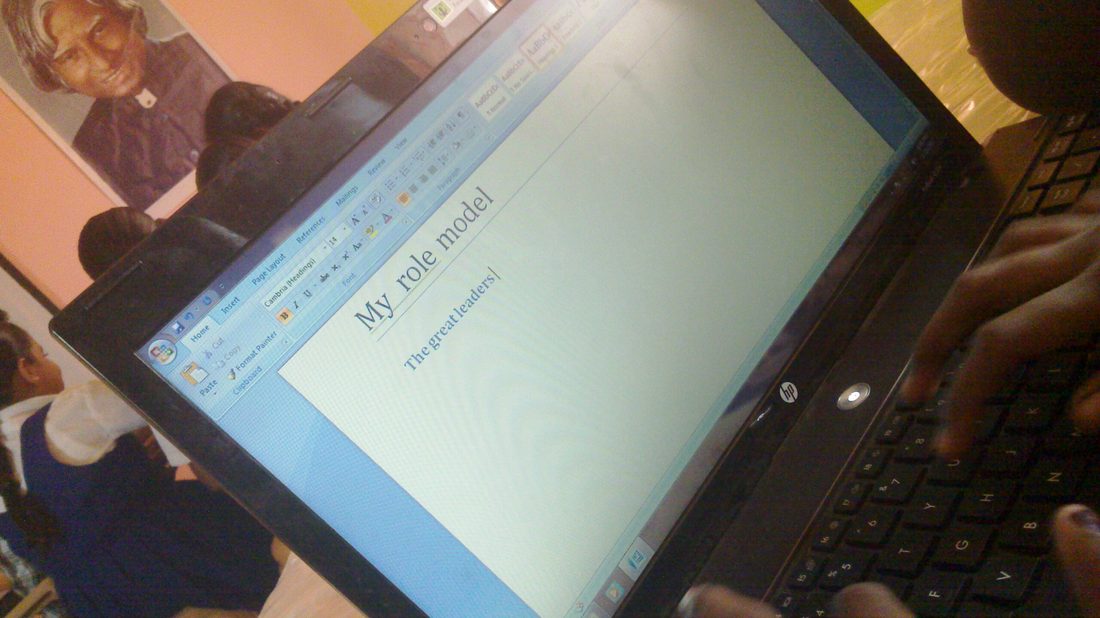
WikiRacing is built to be fun first, but the format it's built on (reading Wikipedia articles quickly and reasoning about how topics connect) turns out to double as a genuinely useful learning exercise.
Here's what it actually trains, how it fits naturally into a classroom or family routine, and a few concrete ways to structure a session around it without needing to prepare anything in advance.
What skills does it actually build?
Finding a path between two Wikipedia articles means skimming an introduction for its key idea, deciding which link is most likely to lead somewhere useful, and reasoning about how a specific topic connects to broader categories: a country, a historical period, a scientific field. This is much closer to the "skim for the main idea" skill taught explicitly in reading comprehension classes than it might first appear: a player who reads every word of every article loses to one who has learned to extract the one useful fact quickly and move on.
Along the way, players are exposed to genuine general knowledge across science, history, geography, and culture, not through memorization but through incidental encounters with real encyclopedia content. A student racing from "Napoleon" to "Photosynthesis" doesn't set out to learn anything about either topic. But by the time they've read three or four article introductions along the way, they've absorbed several small, real facts they weren't looking for, which is exactly the kind of incidental learning that tends to stick better than deliberate memorization.
A daily habit that doesn't feel like homework
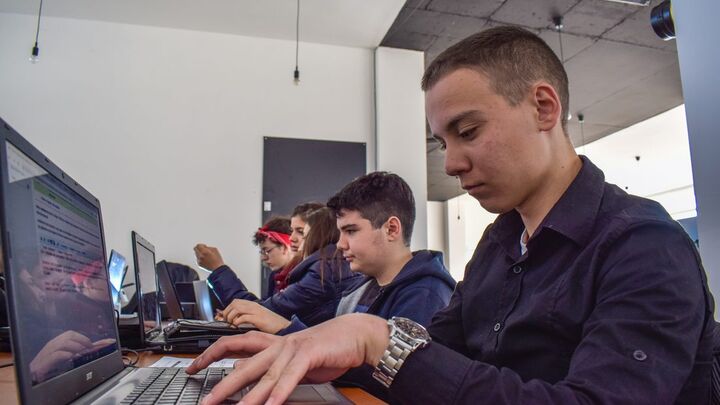
The daily challenge gives everyone the same pair of articles each day: short, replayable, and easy to compare notes on afterward. It works well as a five-minute warm-up at the start of a class or as a small family routine, the same way a daily word puzzle works: low commitment, but enough to build a habit around. Because everyone in the room or the household plays the exact same pair, it also naturally opens a short debrief afterward, comparing which link someone found first, or where someone else got stuck, without needing a worksheet or an answer key.
Themed challenges that map onto school subjects
The themed challenges (science, history, pop culture, gaming, and more) line up naturally with subjects already being taught, and can be run in 3, 5, or 10 rounds depending on how much time is available. A "history Friday" or "science hour" built around one of these challenges turns a review session into a race, with no extra preparation needed beyond picking a theme and a round count. Because each challenge draws from a pool of dozens of curated pairs rather than a single fixed one, the same theme can be replayed across multiple weeks without repeating the exact same content twice.
A self-paced path for independent learners
The 300-level campaign gives solo players a long structured progression, from simple pairs to genuinely tricky ones, with a visible sense of advancement level by level and no external supervision required to keep going. For independent study or as an alternative to a worksheet, it offers a built-in curve of difficulty without anyone needing to design one: a student can work through ten levels in a study hall period and pick up exactly where they left off the next day, with their progress saved automatically if they've created a free account.
Real reading practice in another language
Playing on a different Wikipedia language edition turns the game into authentic reading practice in that language: real vocabulary and sentence structures pulled from genuine encyclopedia articles, not textbook exercises written specifically to teach a grammar point. WikiRacing supports 19 languages, so a French class can practice on the French Wikipedia, a Japanese class on the Japanese edition, an Arabic class on the Arabic edition, and so on, all inside the same familiar game rather than switching to an unfamiliar tool just for the language-practice portion of a lesson.
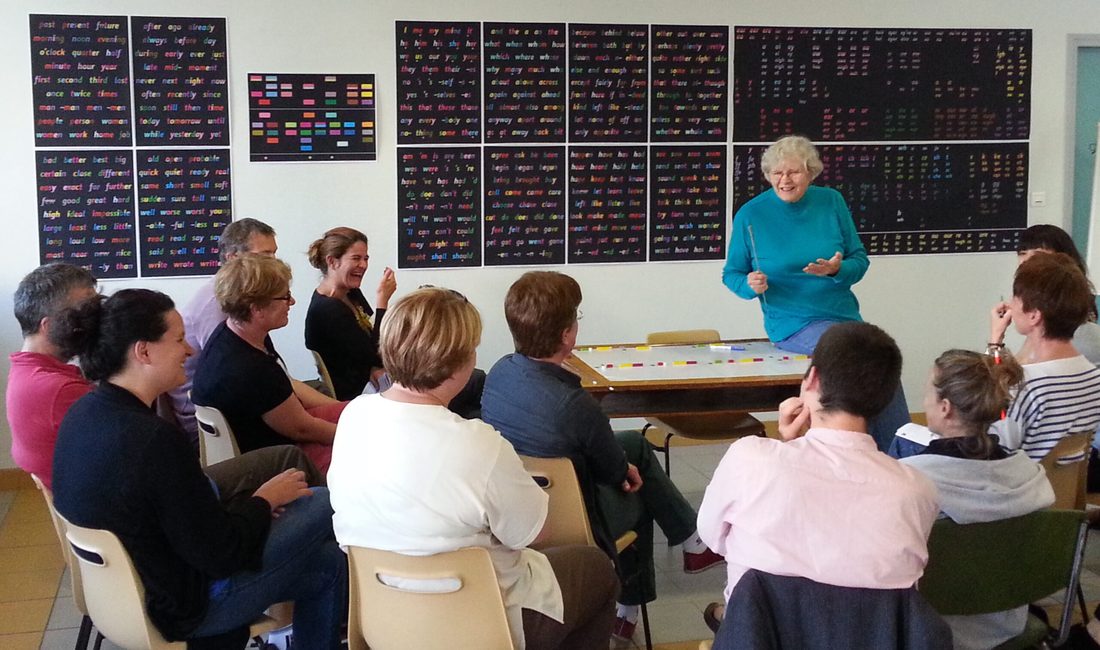
This works especially well for intermediate learners: a complete beginner will struggle to extract meaning from a real encyclopedia article, but a student who already has a working vocabulary gets genuine, unscripted reading practice with immediate, tangible feedback: either they found the link, or they didn't.
A few ways to structure a classroom session
- Five-minute warm-up: today's daily challenge, played individually, with a quick show-of-hands on who beat their previous time.
- Subject review: a themed challenge matching the week's topic, run in 3 rounds to fit a short block of class time.
- Independent study block: a handful of campaign levels, self-paced, with progress saved automatically for students with an account.
- Language practice: the same daily challenge or themed pair, but played on the target language's Wikipedia edition instead of the student's native one.
What it doesn't replace
Worth being honest about the limits here too: WikiRacing rewards speed and pattern recognition, not depth of understanding. A student can win a race through "Photosynthesis" without ever pausing to actually absorb how photosynthesis works, because the only thing that matters for winning is spotting a usable link. That makes it a strong warm-up, review, or engagement tool (a way to get reluctant readers actually reading encyclopedia text voluntarily), but a poor substitute for the slower, more deliberate reading a topic actually needs to sink in. Pairing a themed challenge with even a two-minute "what did you learn along the way" debrief afterward is usually enough to turn the incidental exposure into something that sticks.
Wikipedia remains a general-audience encyclopedia rather than content curated specifically for children, so the same light supervision that already applies to any classroom use of Wikipedia is worth keeping in mind here too. With that said, no account or download is needed to try it: pick today's daily challenge, or launch a themed challenge that matches this week's lesson, and see how the group does.