Wikipedia Speedrun: What the Fastest Runs Do Differently
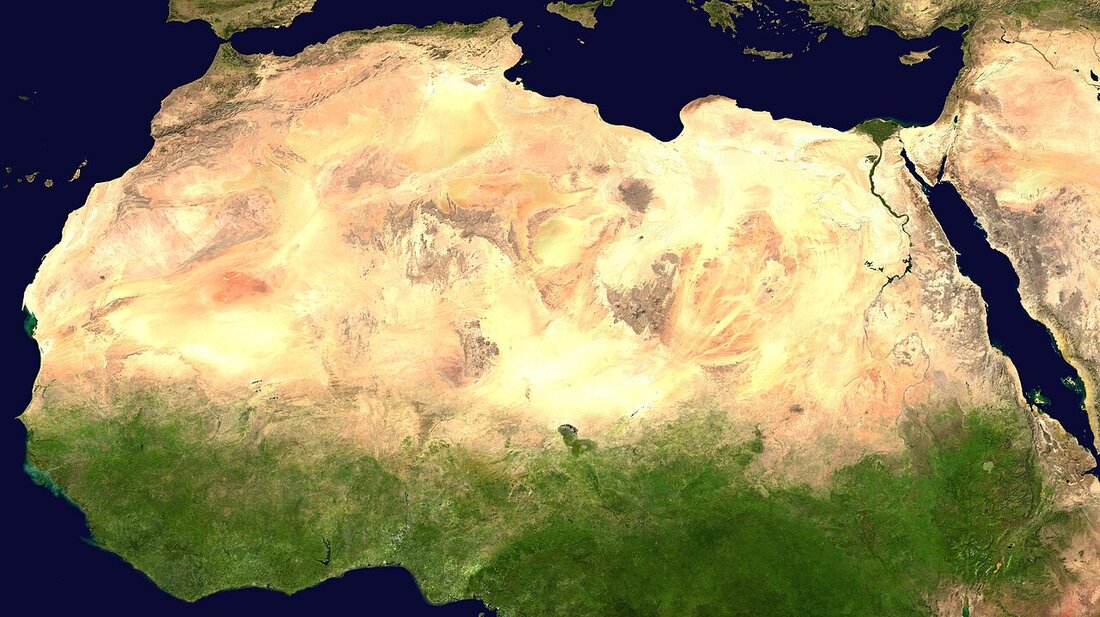
On 12 October, German WikiRacing players got Sahara to Computer as their daily challenge. The fastest run took 6.5 seconds: Sahara, Vereinigte Staaten, Computer. Two clicks.
Here's the part I keep coming back to. Of the 64 players who finished that day, 28 made exactly the same first click, onto the United States article. Only 7 of them finished in two clicks. The other 21 were standing one link away from the target and wandered off somewhere else, and the median for the whole group of 28 came out at two and a half minutes. Same idea, same page, very different runs.
That gap is what a Wikipedia speedrun is really about. So, the rules first, then where the time actually goes.
What counts as a Wikipedia speedrun
You get two articles, a start and a target. You open the start and reach the target by clicking links inside the articles, nothing else. No search box, no typing in the address bar, no Ctrl+F to find the word on the page. Fastest time or fewest clicks wins, depending on what you're competing on.
The game is older than any website built for it. People played it in school computer rooms on the real Wikipedia, which works fine until somebody "accidentally" edits the URL. That's the main reason dedicated sites exist: they load the articles themselves, block the shortcuts and keep the clock honest. On WikiRacing, Ctrl+F is disabled, links that leave the encyclopedia (categories, files, help pages, external sites) are struck out, and the back button is allowed but costs a click like any other move.
(If you know classic video-game speedrunning, most of the vocabulary carries over. There's just no wall to clip through.)
Two categories, not one
Speedrunners split a game into categories, and Wikipedia runs fall naturally into two.
Fewest clicks. The daily challenge and the per-pair leaderboards rank by clicks first and only use time to break ties. A three-click run that took four minutes beats a four-click run that took forty seconds. This rewards looking before you leap: reading the whole page, sometimes scrolling twice, picking the one link that really is closest.
Fastest time. Multiplayer races go to whoever crosses the line first, and themed challenges add up your time over every round. Here a fourth click is cheap if it saves a minute of reading.
Most people play both without noticing they're different games. A lot of frustration on the daily leaderboard comes from playing it like a race.
Where the time goes
I wanted to know whether fast runs are fast because they take fewer clicks or because each click is quicker. So I took every pair on WikiRacing that has been finished at least 30 times, split each pair's runs into four groups by time, and compared the fastest quarter with the slowest.
- Fastest quarter: median 2 clicks, about 8 seconds per click
- Slowest quarter: median 5 clicks, about 39 seconds per click
The slow runs take two and a half times as many clicks. They also spend five times as long on each page. Most of the gap isn't the route. It's the time spent on each article deciding what to do next.
Backtracking tells the same story. On those same pairs, among runs of three clicks or more, 6% of the fastest quarter ever step straight back to the page they just left. In the slowest quarter it's 33%, one run in three. I expected fast players to be better at recovering from a wrong turn. They aren't, really. They just take fewer wrong turns, because they spent those 8 seconds choosing.
Across all 47,996 races finished on the site, the median is 6 clicks in just under three minutes, roughly 24 seconds a page. The quickest tenth of runs spend about 9.
Which is exactly the Sahara story. The players who clicked through to the United States had the right idea. But the German article on the US is huge, close to 300,000 characters of source text, and a link to Computer is a needle in it. Seven people knew roughly where to look. The rest read.
What fast runners actually do
Going through the paths of the quickest runs, three habits come up again and again.
They decide what kind of page they need before they look at the links. Not "a page about computers" but "a big country that would mention technology". On the German daily of 1 October, Atom to Pizza, the fastest run (13 seconds) went Atom, Stanislao Cannizzaro, Italien, Pizza. Cannizzaro was a chemist. Nobody reaches pizza by thinking about chemistry; you get there by asking which person on the Atom page is Italian. Five players asked that question and averaged 78 seconds. Five others picked Daniel Bernoulli, another scientist from the same page, and averaged 340. Bernoulli was Swiss.
They skim the structure, not the prose. Infobox, first paragraph, section headings, and the bottom of the article where the "see also" links sit. The body text is where minutes disappear.
And they know their hubs. Countries, capitals and a few very broad topics link to almost everything. I wrote a separate piece on the hubs worth memorizing, and the point there holds: on an unfamiliar pair, a good hub in two clicks beats a clever guess that might be a dead end.
The same race in another language
Sahara to Computer was also played in English, and it went much worse: a median of 8 clicks instead of 5.5, and the best English run took 90 seconds rather than 6.5. The reason is one link. German Sahara links to Vereinigte Staaten. English Sahara doesn't link to the United States at all, so the two-click route simply doesn't exist there. English players went through Arabic, syntax and computer programming, or through genetics and bioinformatics, or (my favourite) through Death Valley, California and Silicon Valley.
A route you memorized in one language may not exist in the next. Each Wikipedia edition is written by different people and links differently, which is also why some pairs turn into dead ends that players give up on.
Short answers
Is using the back button cheating? No. It costs a click, and that's fair: backing out early beats digging deeper into the wrong page.
Can you win in one click? Sometimes. 2,543 finished races on WikiRacing were one-click wins, about one in twenty, nearly always on pairs where the start article names the target in its first lines.
Where should a beginner start? Campaign level 1, Bread to Wheat. Then the daily challenge, because everyone gets the same pair and the leaderboard shows you how far off you were. When a run goes badly, look up how the winners did it. That's how I found most of what's in this article.