Wikipedia Rabbit Holes: 7 Wild Facts You Stumble Into by Clicking Around
Anyone who has ever opened one Wikipedia article and looked up forty minutes later on a completely different page knows the feeling: the "Wikipedia rabbit hole." WikiRacing is basically that feeling turned into a race, and along the way it throws up some genuinely startling facts, the kind that make you stop mid-race just to reread a sentence.
Here are seven that are worth knowing on their own, rabbit hole optional.
1. Cleopatra lived closer to the Moon landing than to the Great Pyramid
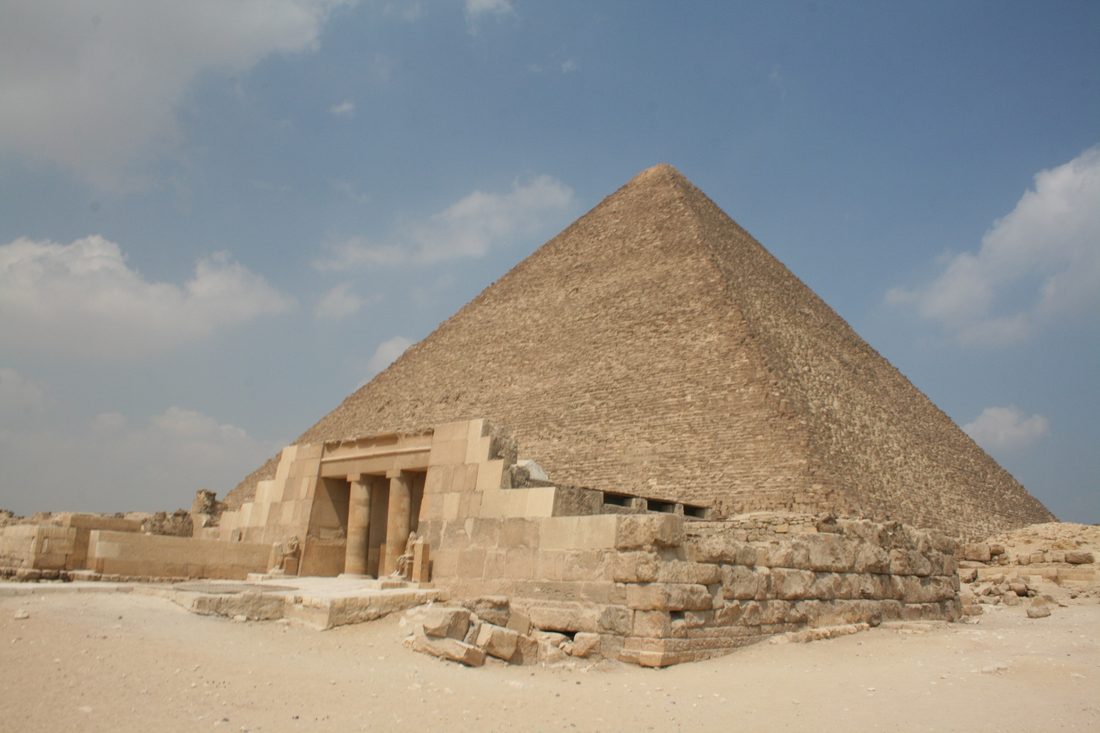
The Great Pyramid of Giza was completed around 2560 BCE. Cleopatra ruled Egypt roughly 2,500 years later, around 30 BCE, and the Moon landing happened about 2,000 years after that, in 1969. That places her chronologically closer to Apollo 11 than to the pyramid she's so often pictured next to in movies and textbook illustrations. The pyramids were already ancient history to Cleopatra herself, roughly as ancient to her as she is to us today, give or take a few centuries.
2. Oxford University predates the Aztec Empire
Teaching at Oxford is recorded as far back as 1096. The Aztec Empire wasn't founded until 1428, more than three centuries later. A university most people picture as impossibly old was already centuries into its history, with generations of students having already come and gone, before the Aztec Empire even began its own rise in central Mexico.
3. The shortest war in recorded history lasted about 38 minutes
The Anglo-Zanzibar War of 1896 is the shortest war on record, starting and ending in well under an hour after the British delivered an ultimatum to the Sultan of Zanzibar and then opened fire when it wasn't met on time. It's the kind of article that turns up in the middle of an unrelated WikiRacing route and completely derails your focus for a minute: a war shorter than most people's lunch break, with its own Wikipedia infobox and casualty count.
4. A tree species older than most dinosaurs is still alive today
The Ginkgo biloba lineage dates back roughly 290 million years, older than the earliest dinosaurs, which appear in the fossil record around 240 million years ago. Individual ginkgo trees can also live for over a thousand years, and a handful even survived the atomic bombing of Hiroshima within a mile of the blast, going on to sprout new growth the following spring. Botanists sometimes call ginkgo a "living fossil" for exactly this reason: it looks today almost exactly like fossils of the same tree from tens of millions of years before the first flowering plants existed.

5. Sharks are older than trees
Sharks first appear in the fossil record roughly 400 to 450 million years ago, while the earliest tree-like plants don't show up until around 350 to 390 million years ago. That means sharks had already been patrolling the oceans for tens of millions of years before the first tree ever grew on land. A genuinely disorienting fact once you actually sit with it, since "ancient" and "tree" feel like they should go together more naturally than "ancient" and "shark."
6. Australia fought a real military campaign against emus, and largely lost
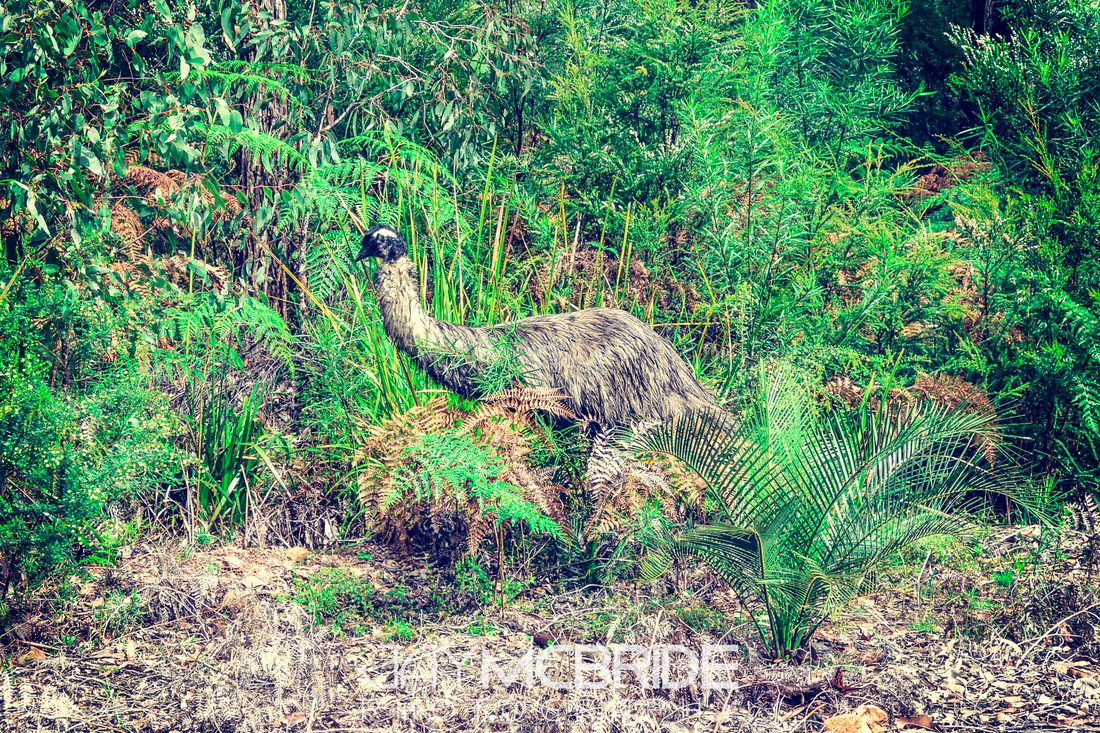
In 1932, the Australian military deployed soldiers armed with machine guns against large flocks of emus that were damaging crops in Western Australia. The birds proved far more resilient and evasive than anticipated, scattering into smaller groups and shrugging off most attempts to control them, and the campaign was called off within weeks having achieved little. It's remembered today, somewhat affectionately, as the "Great Emu War," a real entry in a real country's military history, filed right alongside its actual wars.
7. Wikipedia keeps an official list of its own weirdest articles
There's an actual Wikipedia page, "Unusual articles," dedicated to cataloguing the encyclopedia's strangest corners: from a Founding Father's essay on flatulence to a molasses flood that killed 21 people in Boston. It's the closest thing Wikipedia has to a built-in map of its own rabbit holes, maintained by editors specifically because so many readers kept stumbling onto these pages by accident and wanted a way to find more of them on purpose.
Every rabbit hole is a WikiRacing route waiting to happen
The links that lead to detours like these are exactly what WikiRacing turns into a game: instead of getting lost for forty minutes with no particular destination, you're racing to reach a specific target, discovering a few unexpected facts along the way whether you meant to or not. The seven facts above all exist a few clicks deep from perfectly ordinary starting points, exactly the kind of unexpected connection a themed challenge or a random manual race can drop you next to at any moment.
Start a quick race, or launch a themed challenge, and see what strange detour Wikipedia throws at you before you reach the finish line.